Tree Removal Planned Around Safety, Access, and Clean Finish Work
When a tree is dead, storm-damaged, structurally compromised, or simply in the wrong place, our crews plan the removal around the property conditions, the access constraints, and the cleanup that has to happen next.
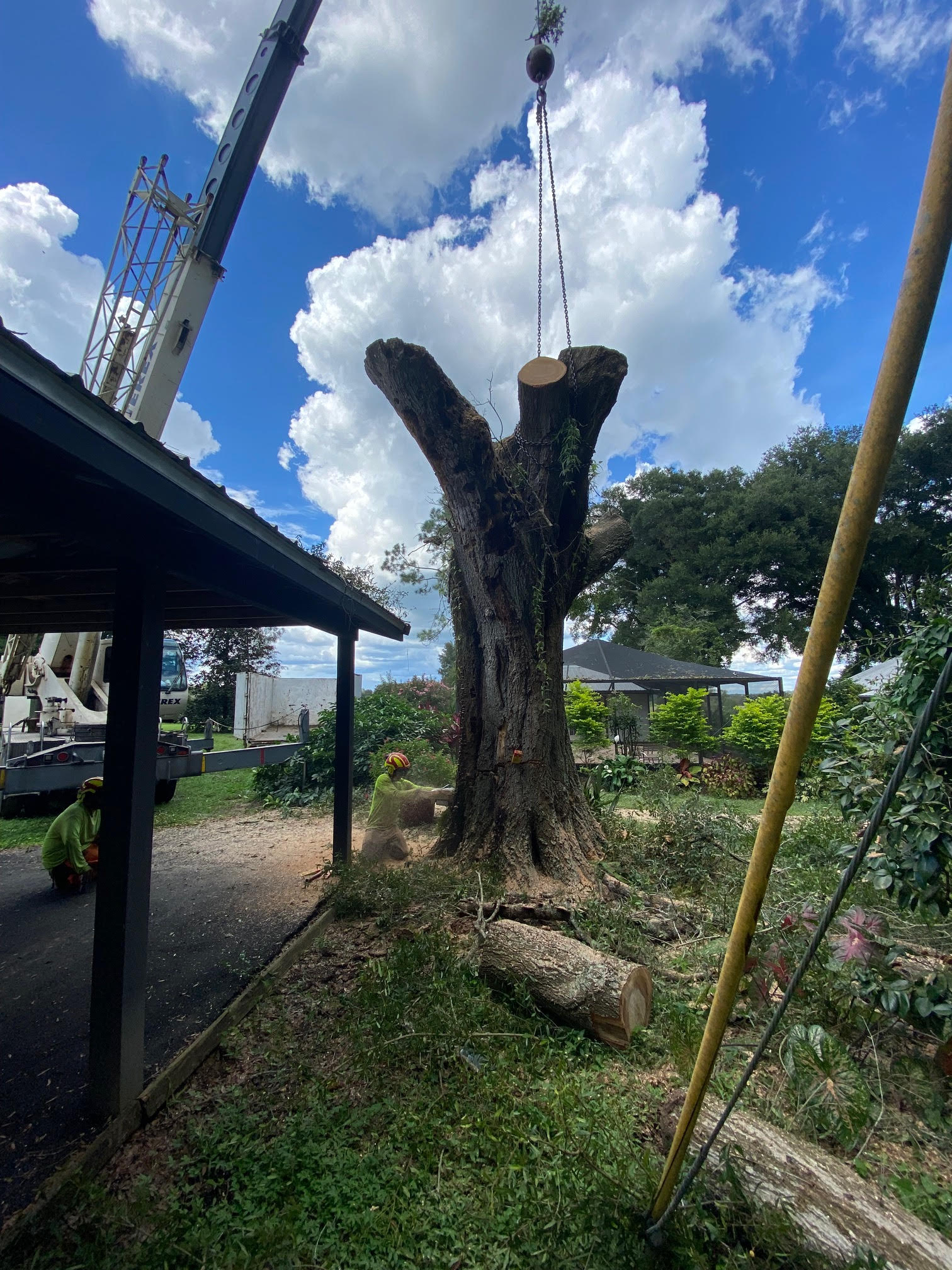
When Removal Is the Right Call
Not every tree should come down. Some absolutely should.
Tree removal becomes the right decision when a tree is dead, storm-compromised, structurally unsound, or creating repeated risk near occupied areas. The goal is not to remove more than necessary. The goal is to remove the risk responsibly.
CFTD approaches removals with site protection, access planning, equipment fit, debris movement, and cleanup already in mind. That matters just as much as the cut plan itself.
Typical reasons clients call us for tree removal
- Storm-damaged trees or split canopies threatening roofs, drives, and utilities
- Dead or declining trees that can no longer be managed safely with pruning alone
- Tight-access removals requiring cranes, rigging, bucket access, or phased dismantling
- Commercial and HOA removals where traffic, public safety, or visibility are concerns
Residential Risk
Rooflines, drives, pool cages, play areas, and tight backyard access.
Commercial Exposure
Parking, signage, circulation routes, and public-facing spaces.
Equipment Fit
Climbers, buckets, cranes, loaders, and hauling support matched to the site.
Clean Finish
Debris movement, stump-grinding coordination, and smarter next steps after removal.
Need A Removal Plan?
Send photos and site details before the risk gets worse
The dedicated quote form is still the fastest way to send the property details, access notes, and timing information our team needs to respond accurately.
What The Crew Plans For
The work around the removal matters too
Access & Drop-Zone Planning
Before the first cut, we look at structures, access lanes, rooflines, hardscapes, and how material has to move once it is down.
The Right Removal Method
Some trees come down by climber, some by bucket, some by crane, and some by rigging-heavy phased dismantling.
Cleanup & Follow-On Routing
Debris hauling, stump grinding, and next-step recommendations are coordinated so the property moves toward a cleaner finished result.
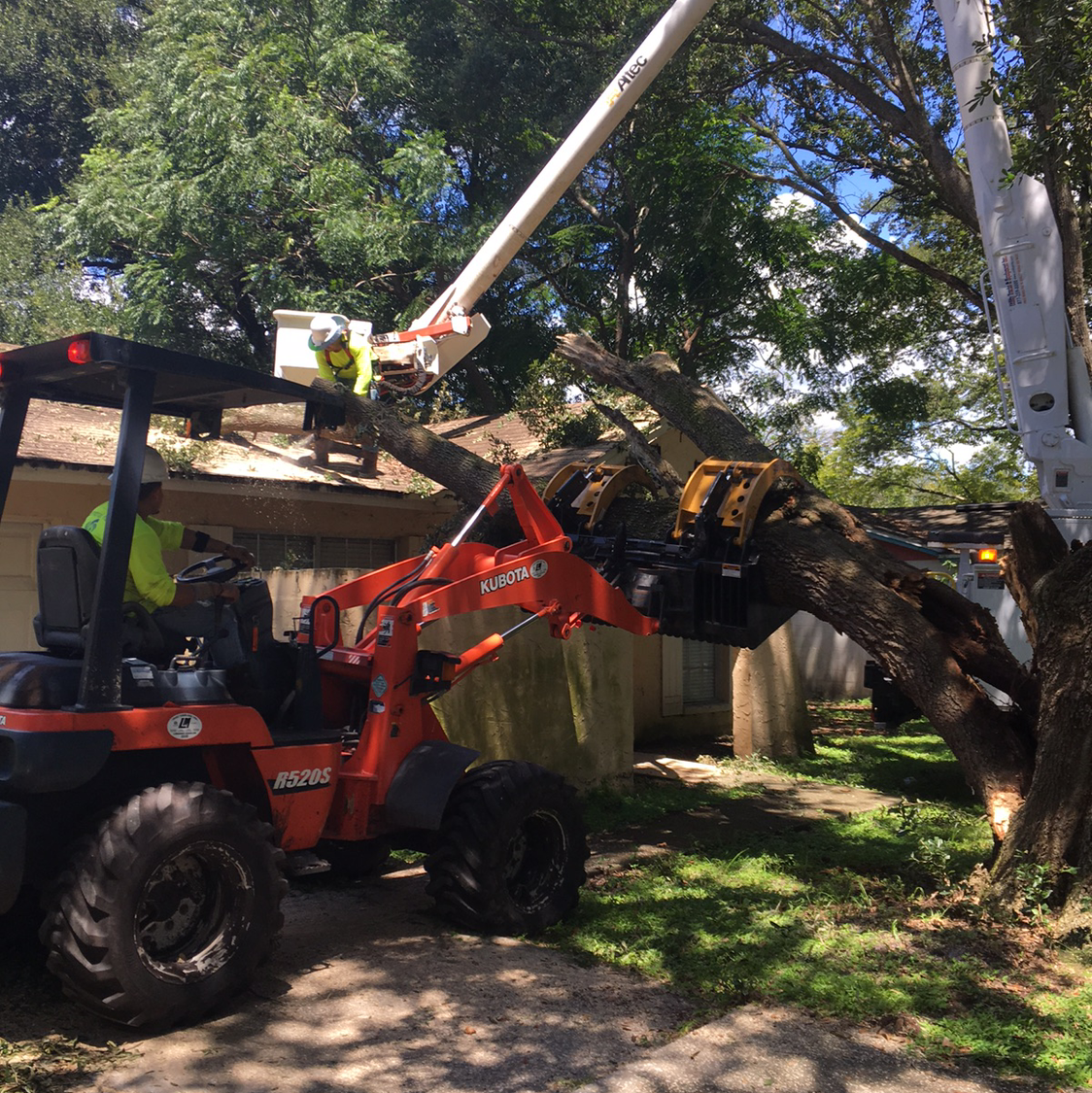
Where This Service Shows Up Most
Homes, public-facing properties, and storm-hit sites
Residential
Hazard trees near homes, pools, drives, play areas, and rooflines.
Commercial / HOA
Trees affecting signage, parking, circulation, visibility, and public-facing spaces.
Storm Response
Compromised trees requiring immediate stabilization or urgent post-storm removal.
Follow-On Work
Pairs naturally with stump grinding, debris hauling, arborist guidance, and documentation support.
What To Expect
A process designed around control and cleanup
Every removal is different, but the workflow stays disciplined so the job remains predictable for the crew and the property owner.
-
1. Assess the tree and the site
We look at condition, lean, drop zones, rooflines, access points, and the equipment mix needed to remove the tree safely.
-
2. Plan the removal path
Crews determine whether the tree comes down by climber, bucket, crane, rigging, or a phased combination built around the site constraints.
-
3. Remove and move debris efficiently
Brush, limbs, trunk sections, and heavy rounds are staged, hauled, or processed so the site does not become the next problem.
-
4. Finish with the next step in mind
Cleanup, stump grinding, and follow-up recommendations are coordinated so the property is safer and easier to restore after the removal.
Field Proof
Examples of the conditions removal crews deal with
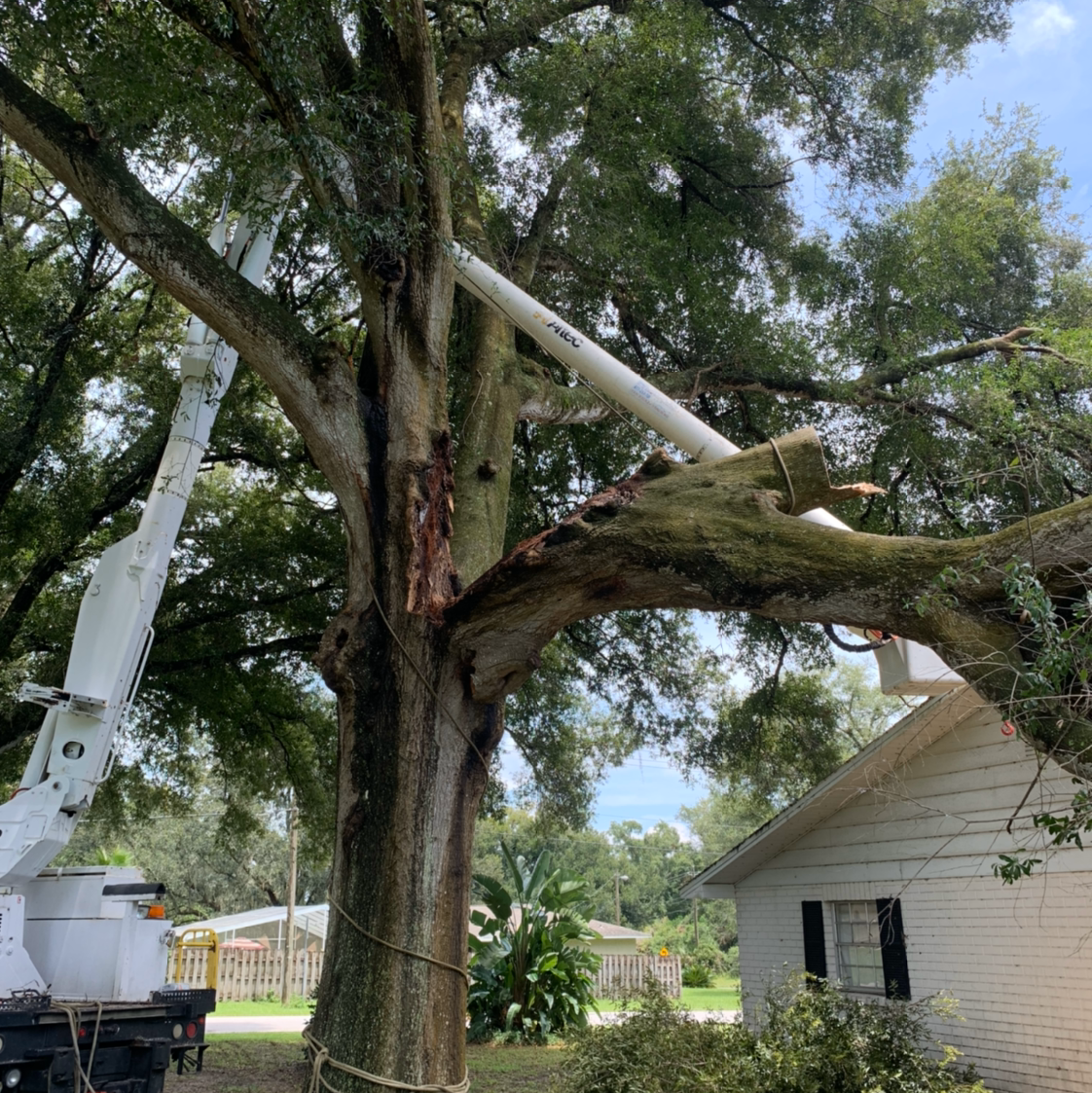
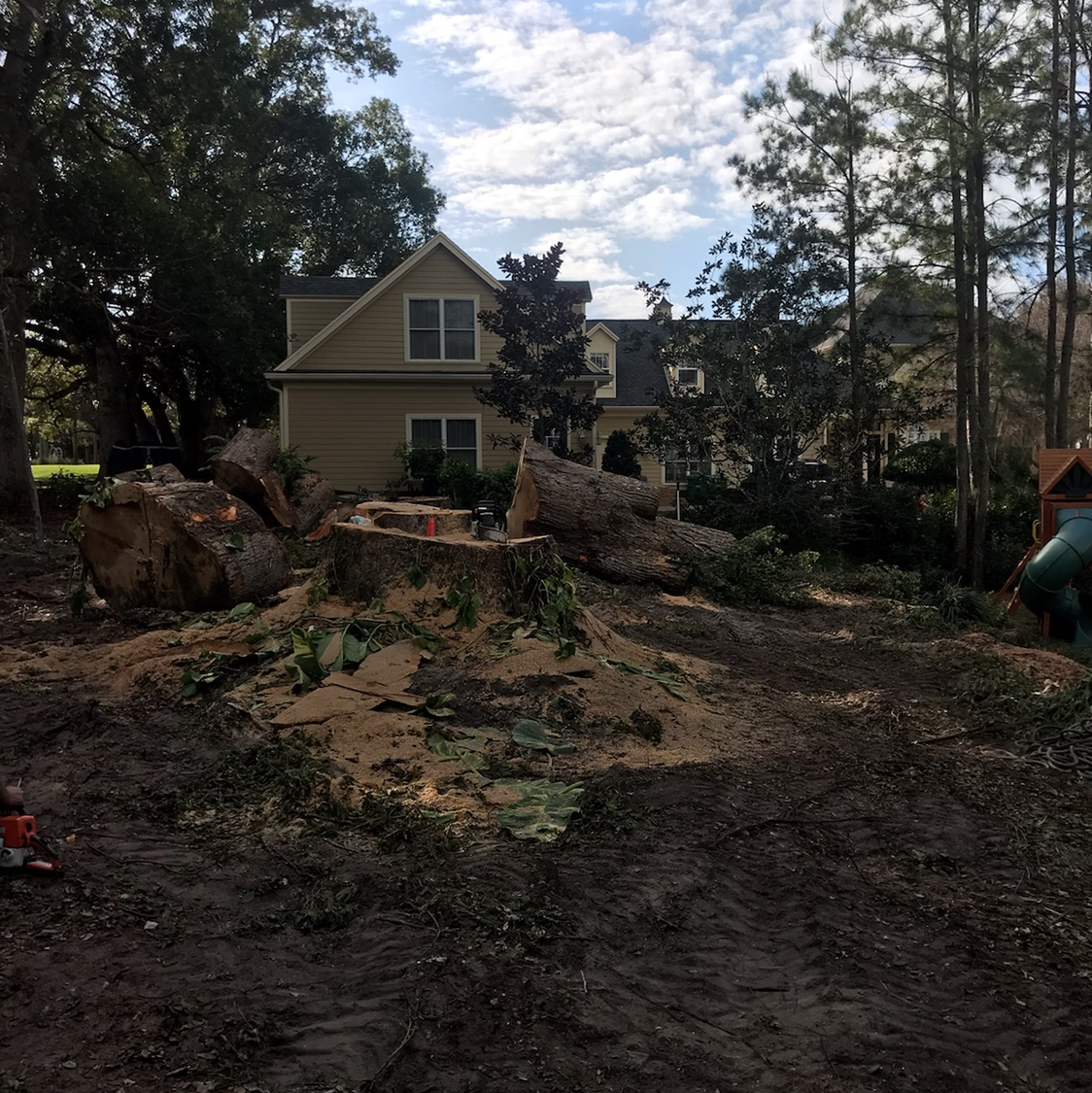
Tree Removal FAQ
Questions property owners ask before scheduling
A tree often moves from pruning into removal territory when it is dead, structurally compromised, repeatedly failing, or positioned so poorly that trimming no longer addresses the actual risk.
Yes. Those are the conditions where planning, access equipment, rigging, and phased dismantling matter most. The removal method is selected around the site, not forced onto it.
Yes. Hauling and stump grinding can be included so the property moves closer to finished condition instead of stopping at the removal itself.
Call first for urgent hazards. The dedicated quote page is still the main intake path for details, but immediate storm threats should be routed straight to the emergency line.
Ready To Scope The Job?
Use the dedicated quote form so the crew gets the right details
Photos, service type, access notes, and timing details all help us route tree-removal work correctly from the start.