Storm Season Tree Prep for Central Florida Properties
In Central Florida, storm preparation usually becomes urgent too late. The better move is to separate routine tree-care work from the issues that can become real storm liabilities […]
Key Takeaways
- Address high-risk trees near roofs, driveways, and shared spaces before storm demand spikes.
- Document the tree, the target, and the access constraints now so scope discussions move faster later.
- Separate routine pruning from true hazard mitigation so pre-season budgets stay focused.
- Call earlier when a lean, repeated limb failure, or difficult access already suggests technical work.
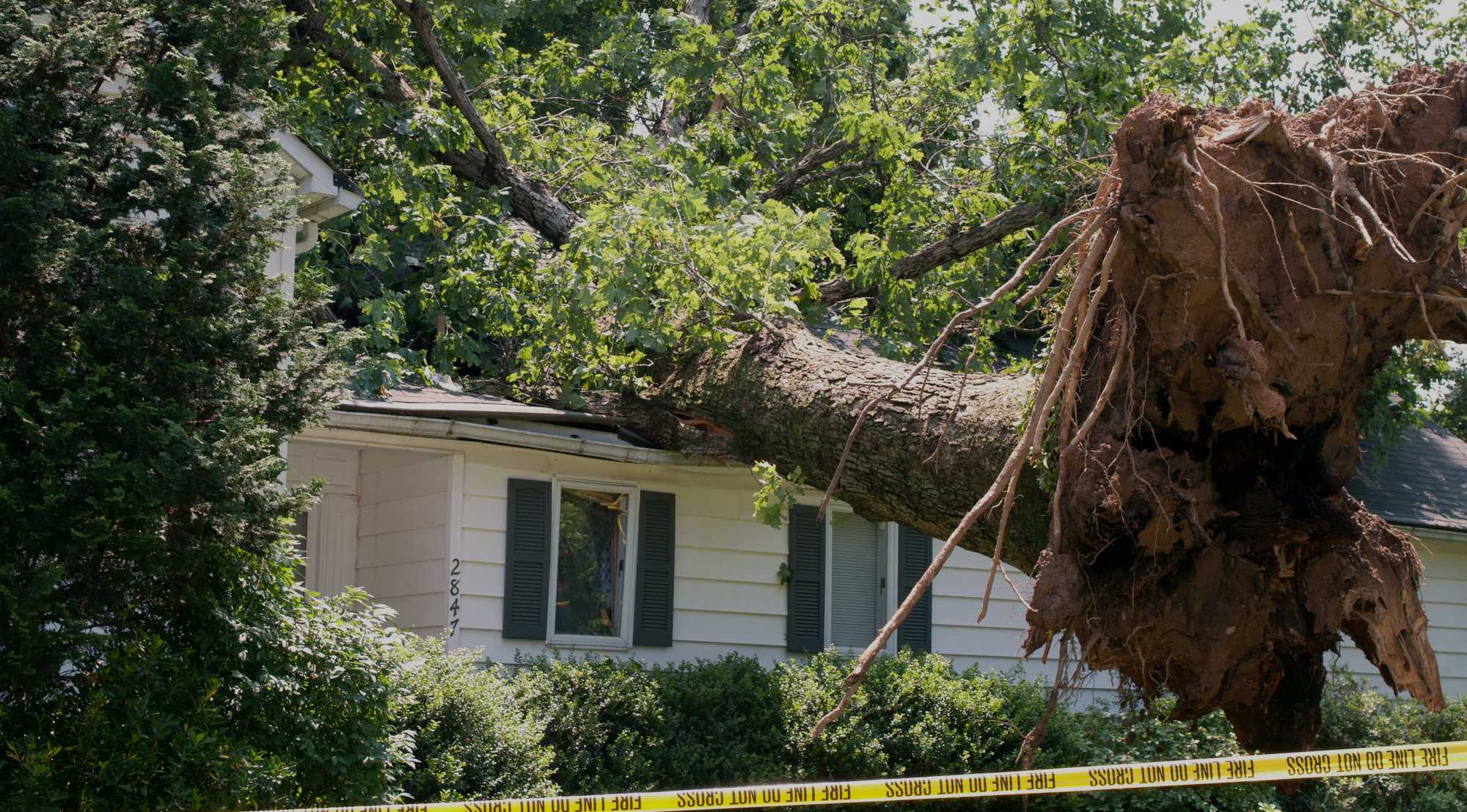
In Central Florida, storm preparation usually becomes urgent too late. The better move is to separate routine tree-care work from the issues that can become real storm liabilities once rain, wind, and saturated soil arrive.
Why earlier timing matters
The best pre-season work happens before everyone is trying to solve the same problem at once. Scheduling hazard review, removals, or structural pruning early creates more room for access planning, photo documentation, and scope decisions that do not feel rushed.
What to inspect first
Focus first on trees near roofs, driveways, gates, utilities, and shared spaces. Dead canopy sections, repeated limb failure, new lean, and root movement deserve earlier review than cosmetic shaping requests.
- Review trees over occupied structures and routine traffic paths first.
- Document the tree, the target, and any access constraints now.
- Differentiate routine pruning from actual hazard mitigation so budgets stay focused.
When to call sooner
Compromised trees near power lines, major limbs over homes, and work that clearly requires climbing, rigging, or cranes should move directly into professional review. Early documentation makes the next step faster if the weather worsens.
Need a field opinion?
Send photos before the weather forces a faster decision
The quote page is still the cleanest path for photos, access notes, property type, and timing details.
Ready for the next step?
Turn the reading into a real property plan
Send photos, describe the site, or call for urgent hazards if a tree condition already feels active instead of theoretical.