Disaster Recovery
Large-scale debris, DMS, and restoration support for municipalities, utilities, and storm-response partners.
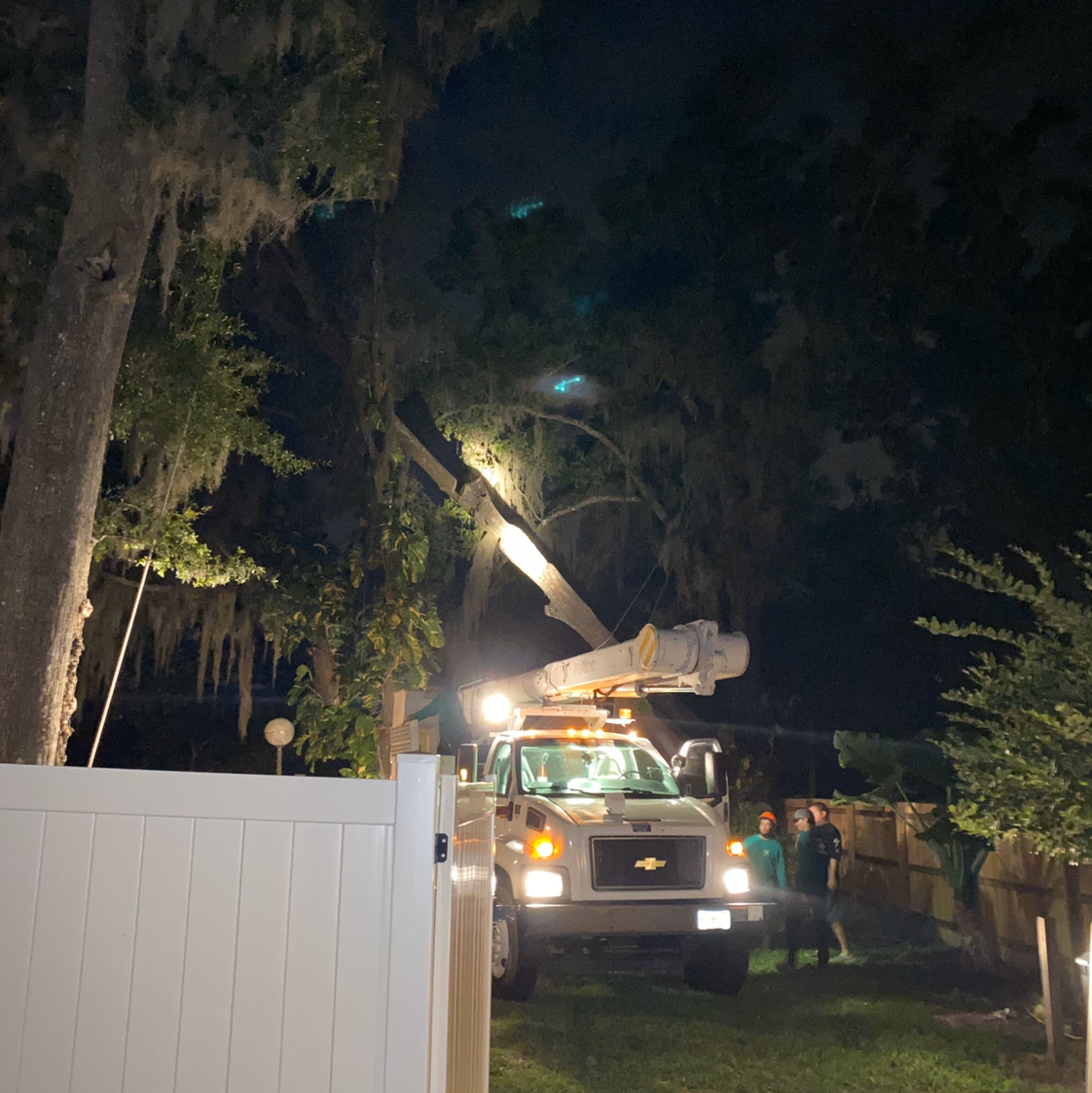
When this service is the right call
Disaster Recovery
Large-scale debris, DMS, and restoration support for municipalities, utilities, and storm-response partners.
Typical reasons clients call us
- Properties that need a safer next step instead of a temporary workaround
- Sites where access, cleanup, and equipment planning all matter
- Jobs that benefit from a crew already used to this kind of field condition
Residential Risk
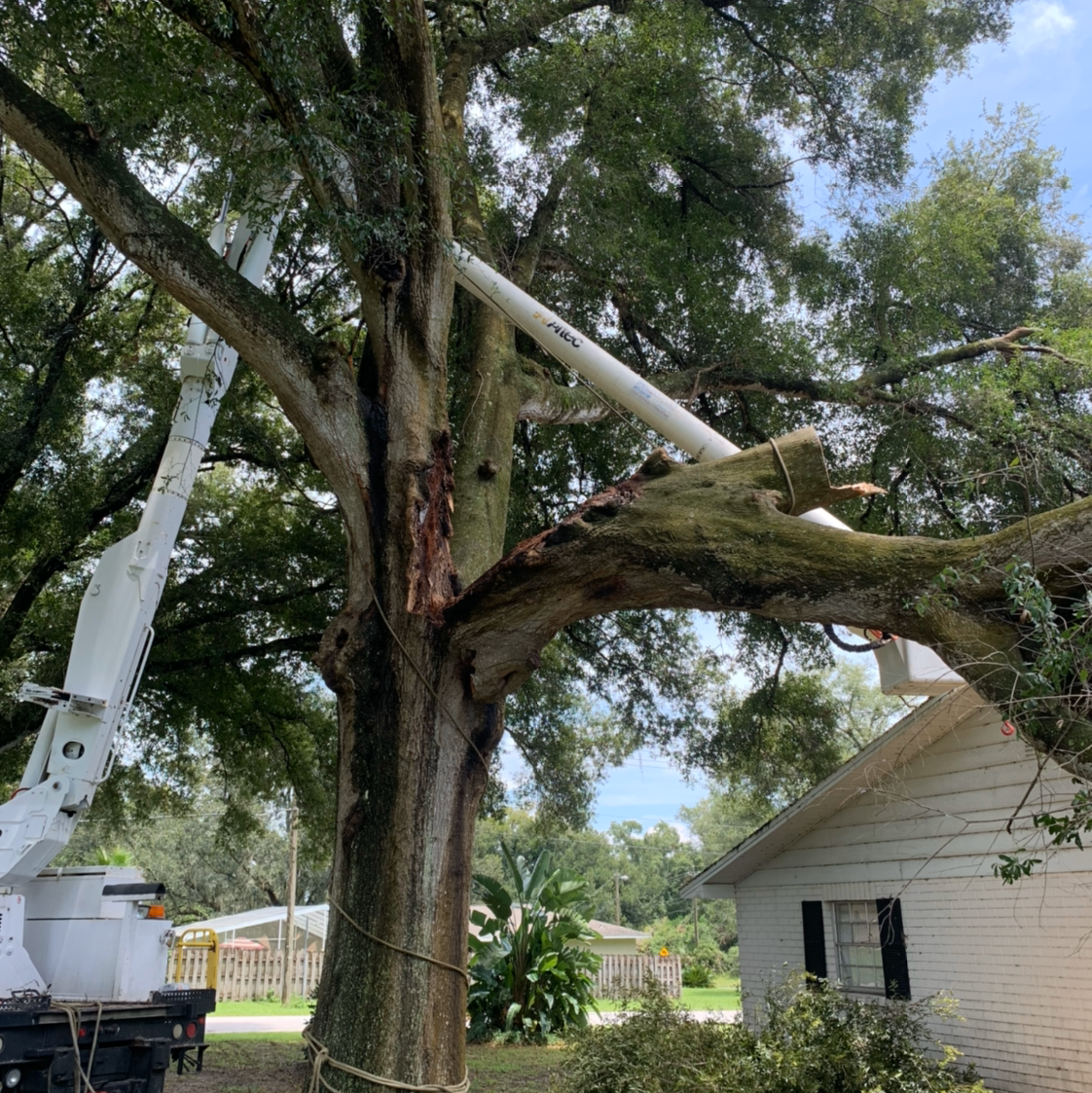
Rooflines, drives, pool cages, and tight backyard access.
Commercial Exposure
Parking, signage, circulation routes, and public-facing spaces.
Equipment Fit
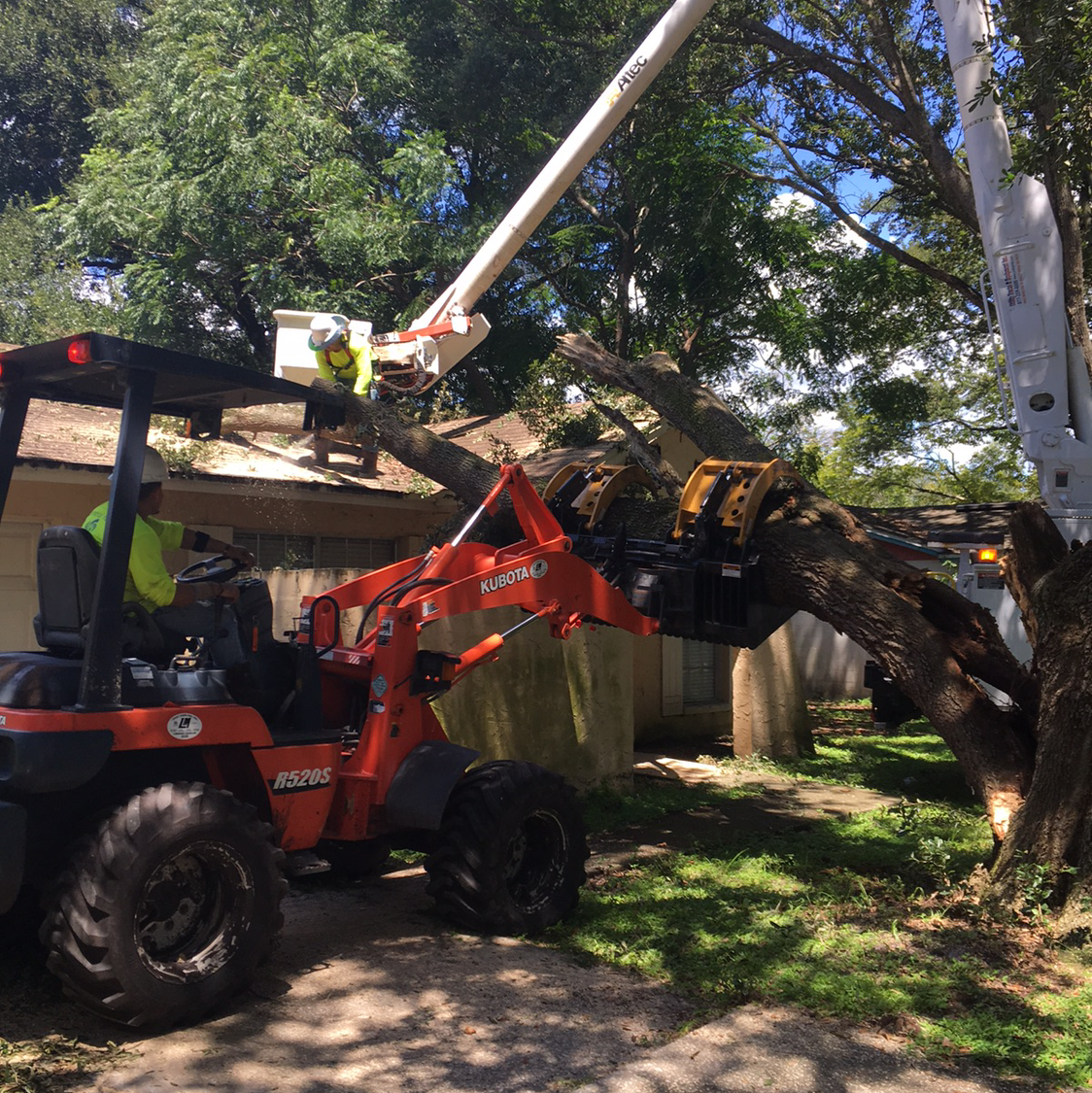
Climbers, buckets, cranes, loaders, and hauling support matched to the site.
Clean Finish
Debris movement, restoration planning, and smarter next steps after the work is done.
Need a project plan?
Send photos and site details before the scope gets more complicated
The quote form is still the fastest way to send the property details, access notes, and timing information our team needs to respond accurately.
What’s included
Work planned around safety, access, and cleanup
Assessment
Scope review, access notes, and equipment planning before the crew starts.
Crew Routing
The right mix of climbers, bucket trucks, loaders, or hauling support for the job.
Debris Movement
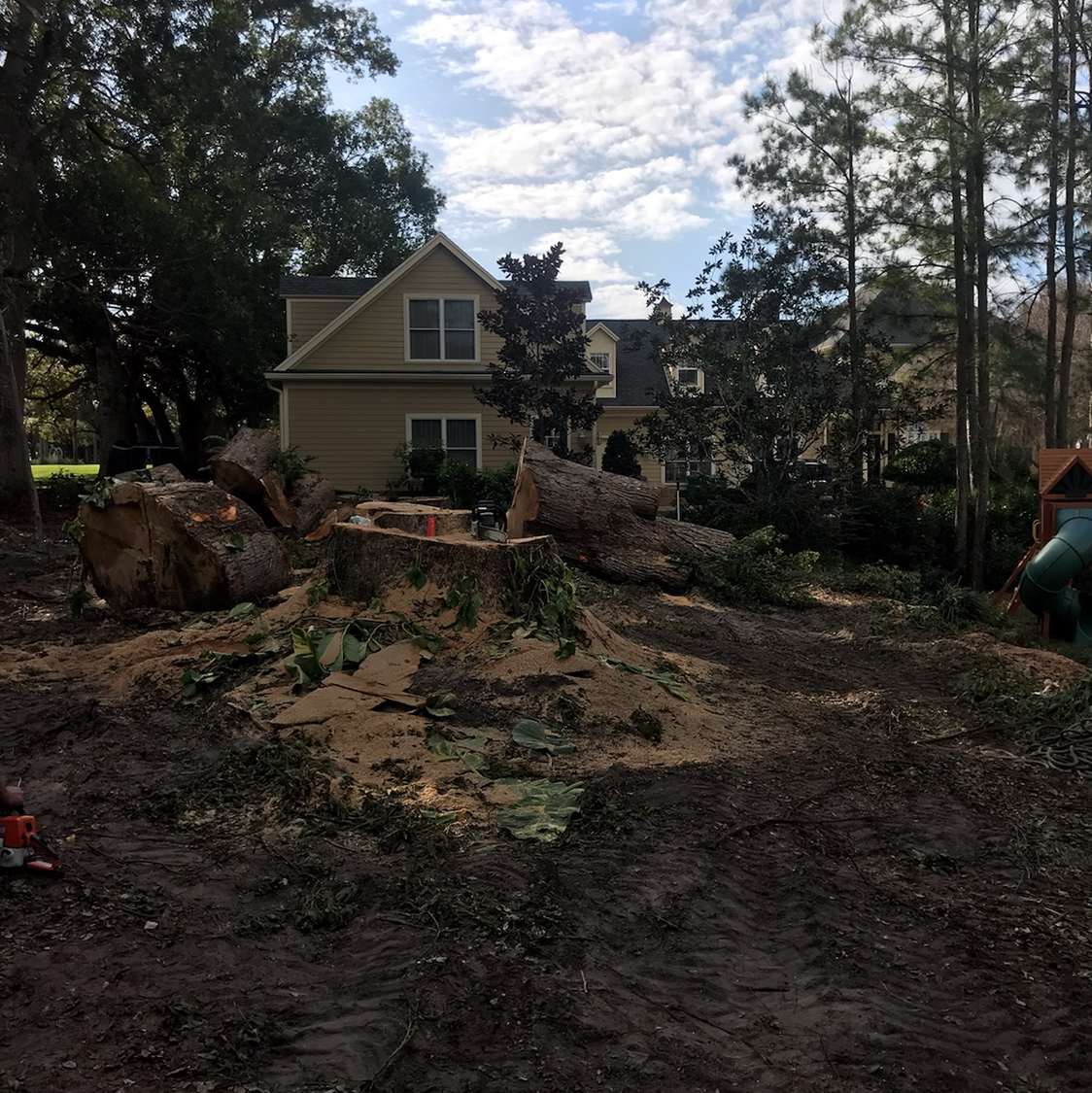
Brush, limbs, trunk sections, and cleanup staged so the site stays controlled.
Finish Work
A cleaner, safer handoff with next-step guidance for restoration or follow-up work.
What to expect
A process designed around control and cleanup
Every project is different, but the workflow stays disciplined so the job remains predictable for the crew and the property owner.
-
1. Assess the site
We look at condition, targets, access, and the equipment mix needed for a safe job.
-
2. Plan the work path
Crews determine whether the project moves by climber, bucket, crane, staged hauling, or a phased combination.
-
3. Execute and move debris efficiently
Brush, heavy wood, and cleanup are managed so the site does not become the next problem.
-
4. Finish with the next step in mind
Cleanup, restoration planning, and follow-up recommendations keep the property safer after the work is done.
Field proof
Examples of the conditions crews deal with
Questions property owners ask before scheduling
Disaster Recovery FAQ
We review the property conditions, the targets at risk, and the access constraints so the recommendation matches the real site conditions rather than a generic assumption.
Yes. The routing and equipment plan are built around the actual site, whether that means climbers, buckets, cranes, loaders, or a staged cleanup path.
Yes. Cleanup, hauling, and next-step recommendations are part of the process so the property is safer and easier to restore once the crew finishes.
Need to brief the crew?
Use the dedicated quote form so the crew gets the right details
Project notes, access constraints, and photos help route the next step correctly.